
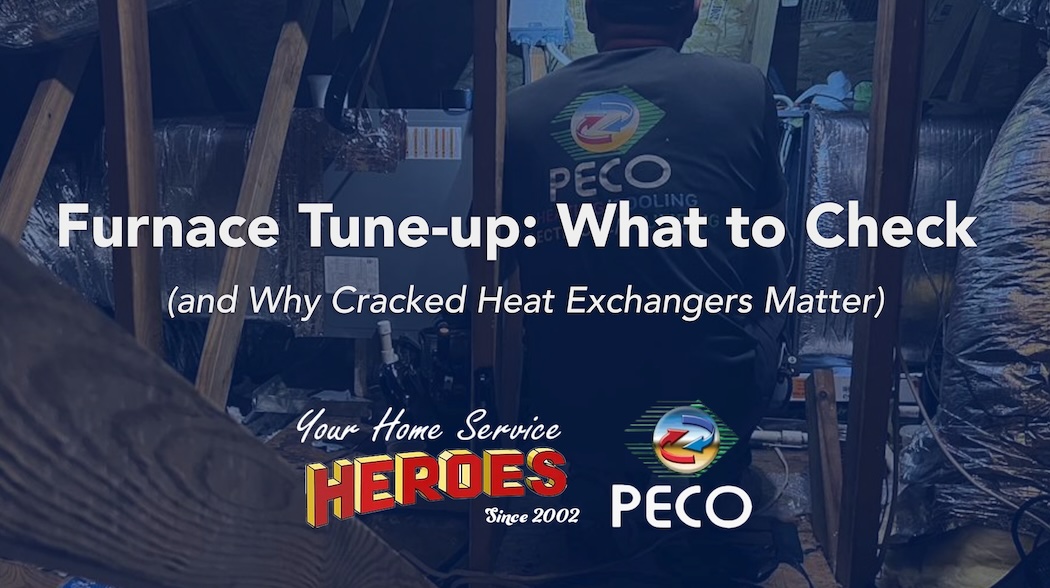
Come winter, your furnace is hard at work keeping your home warm. But it needs regular attention to continue operating safely and efficiently. A professional furnace tune-up can help.
As temperatures drop and furnaces kick back into gear after months of dormancy, a yearly tune-up is one of the best things you can do for your comfort, wallet, and safety. Not only does a properly maintained furnace run more efficiently and last longer, but it also won’t put you and your family at risk from a hidden hazard like a cracked heat exchanger.
Here’s what a thorough furnace tune-up should cover and why it’s especially important to pay attention to cracked heat exchangers.
Why Are Furnace Tune-Ups Important?
It can be tempting to skip your furnace tune-up if everything seems to be running smoothly, but routine maintenance appointments are about more than fixing problems that have already appeared.
By scheduling a furnace tune-up, you can:
- Improve furnace efficiency: By having a professional regularly take a peek at your furnace, clean it, and adjust key components, your furnace can run more efficiently.
- Lower energy costs: When your furnace is running efficiently, it uses less energy to produce the heat your home needs. Over time, this improved efficiency can add up, lowering your heating costs.
- Maintain reliable furnace performance: Regular maintenance helps ensure your furnace is ready to heat your home when you need it most.
- Catch issues earlier: During a tune-up, a technician can inspect your furnace for signs of wear, damage, or developing problems. Identifying these problems early can give you the chance to address them before they lead to unexpected breakdowns or more expensive repairs.
- Improve furnace safety: A professional inspection can help uncover potential safety hazards, such as problems with electrical connections, combustion components, or ventilation.
- Extend the life of your furnace: Regular cleaning, inspection, and maintenance can reduce unnecessary wear and help your furnace last longer.
Essentially, furnace tune-ups are preventative maintenance visits designed to make sure your heating system is running properly and keep it that way.
How Often Should You Schedule a Furnace Tune-Up?
For most homeowners, a professional furnace maintenance visit once a year is ideal. By having your furnace inspected before or at the start of the heating season, you can identify any existing or developing issues before your furnace starts working continuously during cold weather. You can also stay ahead of routine wear and keep track of the condition of your furnace’s most important components.
If your furnace is older, has a history of repairs, or is heavily used, it may need additional attention.
What Should Be Checked During a Furnace Tune-Up?
While the exact tune-up process can differ depending on your furnace’s type and age, technicians will generally:
Check the Burner and Ignition System
To produce heat efficiently, your furnace needs a reliable ignition system and properly operating burners. If your burner is dirty or malfunctioning, it can impact combustion and overall furnace performance.
That’s why technicians will inspect your burners for dirt, clear away any buildup, and test the ignition system to make sure your furnace starts correctly.
Test Safety Controls
Modern furnaces have several safety controls designed to shut the system down if something goes wrong. During tune-ups, your technician will have the chance to check that these controls are working, helping reduce your risk of carbon monoxide exposure, fire, and other dangerous malfunctions down the line.
Calibrate the Thermostat
Your thermostat controls when your furnace turns on and off, so it needs to accurately detect your home’s temperature. If it isn’t calibrated correctly, your furnace may run more or less than necessary, impacting your comfort and energy usage.
During your annual furnace tune-up, a professional can check your thermostat’s accuracy and make sure it’s communicating properly with your furnace. They can then recalibrate it as needed.
Inspect the Flue and Venting
Ventilation is vital for fuel-burning heating equipment. Otherwise, all the combustion gases your furnace releases could wind up staying in your home, exposing your household to harmful pollutants.
Technicians can inspect your venting system for obstructions, deterioration, and other issues that might interfere with proper operation.
Check the Blower and Airflow
If your furnace’s blower is dirty, worn, or broken, it won’t be able to move heated air through your home’s ductwork efficiently or at all, in some cases. This makes your furnace work harder to distribute heat, potentially increasing energy use and putting additional strain on your furnace.
That’s why technicians usually inspect the blower for dirt, wear, and other issues that could impact your furnace’s performance.
Replace or Check the Air Filter
Your furnace’s air filter traps dust and other airborne particles before they can circulate through your heating system and home. However, over time, the filter can become clogged, restricting airflow and forcing your furnace to work harder to heat your home.
As part of a tune-up, a technician can check and replace your air filter, helping your furnace maintain proper airflow and boosting indoor air quality.
Inspect the Heat Exchanger
In gas furnaces, the heat exchanger is one of the most critical parts. It’s responsible for separating the combustion produced by the burner from the air that gets heated and spread throughout your home.
During your tune-up, your technician should inspect your heat exchanger for signs of corrosion, deterioration, cracks, or other damage.
Why Does a Cracked Heat Exchanger Matter?
When a heat exchanger cracks, it can allow combustion gases like carbon monoxide and nitrogen to enter your home’s air supply.
Carbon monoxide is particularly worrying because it’s colorless, odorless, and potentially deadly, so you may not realize there’s a problem until it’s too late.
The good news is that a professional can test for carbon monoxide and look for signs of combustion or venting problems that might allow it to enter your home during your annual furnace tune-up. If they discover any cracks or other signs of significant heat exchanger damage, they can recommend the best next steps.
Depending on your furnace’s condition and the extent of the damage, that could mean further testing, repair, or furnace replacement.
Keep Your Furnace Ready For Winter
Your furnace tune-up is more than a simple routine maintenance check-in. It’s also a safety inspection, an efficiency check, and a way to extend the life of one of the most important systems in your home. With regular furnace tune-ups, there’s no need to wait for a breakdown or hidden hazard to catch you off guard.
Contact PECO Heating & Cooling to schedule professional furnace maintenance and make sure your heating system is ready for the season.